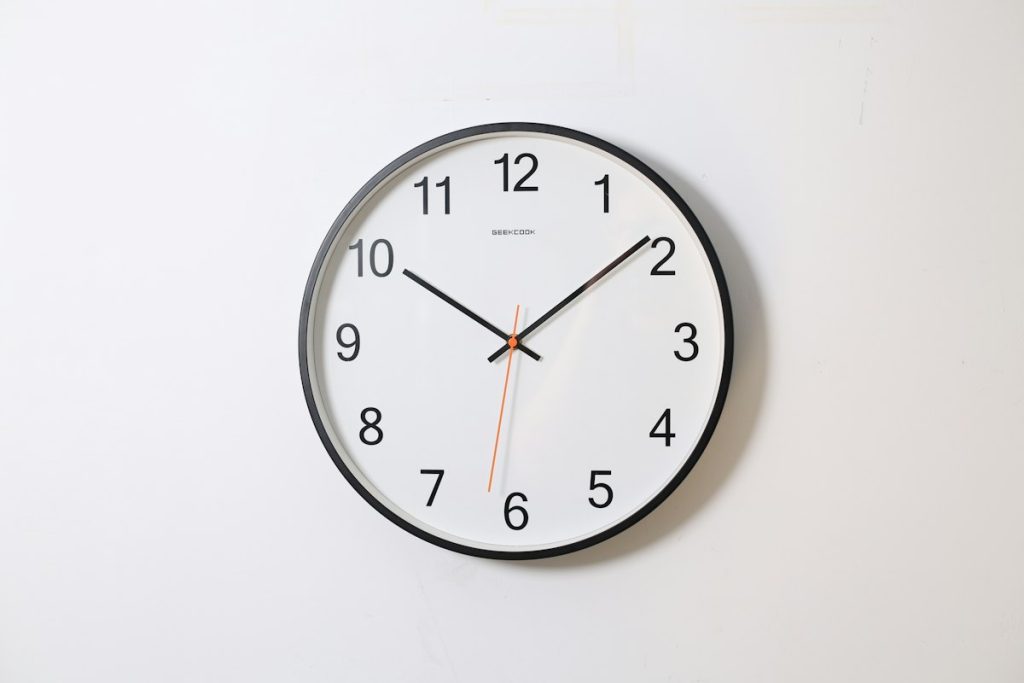

TL;DR: Phone timers that auto-start next intervals often rush PT holds. Park a fullscreen live clock where you can see minutes and seconds, use a paper set list, and end each hold when the clock hits your written stop time—not when your muscles start negotiating.
Why countdown beeps fight rehab focus
Many therapy apps stack beeps that startle people out of careful breathing. A silent live clock lets you watch time pass without a digital coach yelling. You stay responsible for form; the clock only reports truth.
Open a large display at live-clock.com on a tablet propped against books, then put the phone face down so notifications cannot hijack the session.
Write stop times, not only durations
If a hold is forty-five seconds and you start at 14:02:10, write “end 14:02:55” on your sheet. Mid-hold math is where people cheat short. Pre-written stop stamps remove bargaining.
- Column A — exercise name
- Column B — start glance
- Column C — planned end stamp
After each hold, jot the actual end stamp. Patterns of early finishes become visible across a week.
Place the screen where form still wins
If the clock sits behind you, you twist your neck and undo the exercise. Place the display in the same sightline as your anchor point—wall mark, mirror edge, or doorframe. Glance with eyes, not with a torso rotation.
Seated ankle pumps can use a laptop on a chair seat. Floor bridges may need the tablet on the floor beyond the knees.
Rest intervals deserve the same honesty
Rests shrink when people feel eager or expand when people scroll. Pick rest end stamps the same way. A live clock makes ninety seconds feel real instead of “about a minute.”
If your clinician prescribed asymmetric rests, write both numbers. Do not reuse a single memorized rest for every movement.
Rehab time is dosage. Shortening holds is skipping medication you can see.
Breathing cues paired to the second hand
Some protocols want a breath pattern during the hold. Use the sweeping seconds to pace inhales without a metronome app. Example: inhale for four seconds, exhale for six, repeated until the end stamp.
If dizziness appears, stop the exercise—clock goals never override safety.
Home sessions versus clinic sessions
Clinics often provide verbal counts. At home you are the clinician’s stand-in. The live clock replaces their count, not their judgment. If pain quality changes, end early and message the clinic with the exercise name and the timestamp you stopped.
Bring the same paper log to the next appointment. Therapists love objective timing notes more than “I think I did them.”
Household interruptions
Kids and deliveries arrive mid-hold. If you break early, mark an incomplete set rather than pretending. Restart with a fresh end stamp. Partial holds logged honestly beat fictional full sets.
Ask household members for a fifteen-minute window when possible. Consistency compounds.
Accessibility and large numerals
Fullscreen modes and zoomed browser settings help low-vision users. High contrast themes reduce squinting that tenses shoulders. If you cannot read seconds clearly, you will guess—and guessing is how holds erode.
Audio-only users may still prefer a gentle timer; hybrid approaches are fine. This article targets people who can glance.
Weekly progress without gamified streaks
Streak apps shame missed days. A paper log plus a browser clock keeps the tone clinical and kind. Note pain scores beside end stamps if your clinic requested them.
Progress is cleaner holds at prescribed length, not faster sessions.
Travel kits for hotel-room PT
Injury rehab continues on work trips. Pack a foldable tablet stand and a printed set list with blank stamp columns. Hotel TVs are awkward clocks; a browser live clock on a tablet stays at mat level where you can see it during bridges and clamshells.
Confirm Wi-Fi once, load the clock page, then enable airplane mode if the page keeps time locally without needing a constant connection. If the page requires connectivity, keep Wi-Fi on and notifications off.
Hotel carpets are not clinic floors—add a towel layer and still honor end stamps. Travel is not permission to shorten holds.
Partners who help count without taking over
A partner can watch the clock and call “five seconds” softly, but they should not push you past pain guidelines. Agree on stop words before the session. The clock measures time; you measure tissue tolerance.
If a partner tends to chat, put them in charge of logging stamps only. Conversation during balance work is how ankles wobble.
Tracking asymmetries between left and right sides
Many protocols prescribe different hold times per side after injury. Prewrite separate end stamps for left and right rather than reusing one number and flipping mentally mid-set. Asymmetry is where home programs quietly go wrong.
Log which side felt shakier beside the stamp. Your clinician can adjust load when they see patterns instead of hearing “it was fine.”
If tremor starts before the end stamp, stop and note the early time. Pushing to the digit against form is not diligence.
Cold apartments and warm-up before the first stamp
Cold muscles invite cheating the early holds. Spend two minutes of easy range-of-motion before you write the first end stamp. The clock should measure prescribed work, not the time you spent shivering into position.
If the room is cold, layer clothing you can keep on during seated work and shed for floor work without losing sight of the display.
Keep the clock visible so holds stay honest
Before the first set, open the live clock, write today’s end stamps, silence the phone, and begin. When the second hand reaches your mark, release with control.
Physical therapy rewards boring integrity. A quiet clock is one of the best coaches you can prop on the floor.