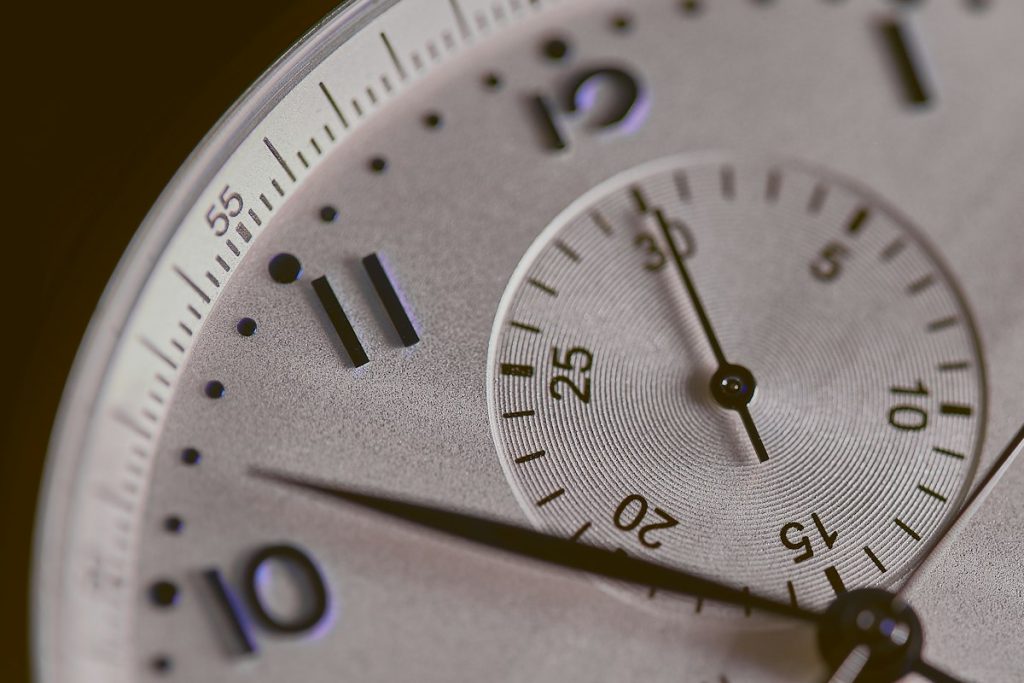
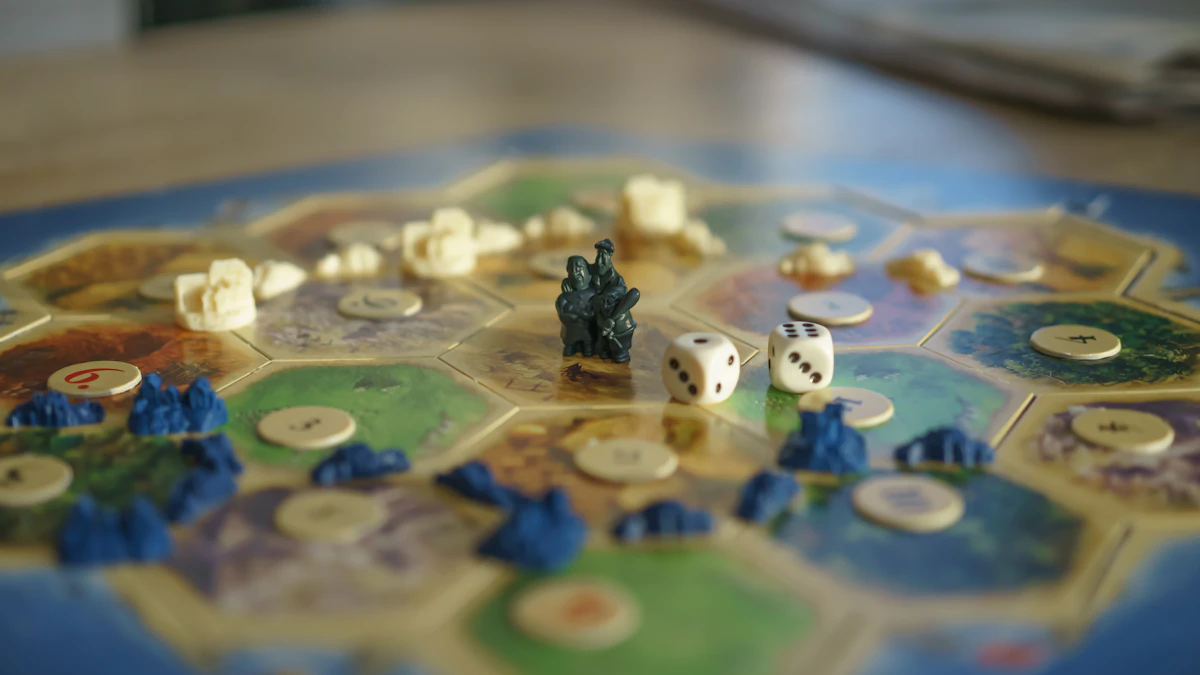
TL;DR / Summary: Replace sand timers and phone alarms with absolute end times on a shared browser clock. Everyone sees the same digits, soft negotiations shrink, and hosts stop mediating “whose phone buzzed.” Park a calm live digital clock on a spare laptop facing the table.
Why sand timers fail after the second pizza
Hourglasses hide under rulebooks. Phone timers spawn “was that mine?” debates and bright lock screens that break immersion. Absolute wall times—“turns end at 9:14”—are visible, fair, and silent. Players glance once and return to the board instead of watching a shrinking bar.
A browser clock also survives Bluetooth drama and hosts who refuse to unlock guest phones for settings menus mid-game.
Table setup that keeps eyes on the game
Place the laptop or tablet at the far edge of the table, elevated on a rules binder if needed, full screen only. Dim surrounding chrome. Choose a high-contrast theme so players across from the screen can still read minutes without leaning into snack bowls.
- Agree the round length before setup, then convert to an end time after the first turn starts.
- Write the end time on a sticky note next to the board as a backup if the laptop sleeps.
- Ban second timers unless a game’s rules require simultaneous chess clocks.
If your group rotates houses, bookmark the same URL on each host profile so the ritual travels.
Games that love absolute deadlines
Party games with pitch rounds, drafting games with analysis paralysis, and legacy sessions that drag past midnight all benefit. Pure euro games with long engine turns need generous windows; do not shame thoughtful play with two-minute blitz rules that were never in the box.
For teaching games, double the first-round window. New players reading iconography are not stalling; they are learning. Shrink windows only after round two.
Host script that avoids referee vibes
Say the end time once when the round begins. Do not countdown verbally every thirty seconds. When the digits land, the active player finishes the action already in hand, then stops—no new planning. That grace rule prevents bitterness without inviting endless “one more combo” speeches.
If someone is clearly stuck, offer a rules pointer, not a secret extra minute. Fairness dies when the host quietly extends for friends.
Hybrid nights with remote friends
Screen-share the same clock tab in the call, or have remotes open the identical full-screen live clock URL. Sync fails only when one person keeps a wrong time zone widget open. Confirm the displayed local time matches the host city before round one.
Mute notification sounds on the stream PC. A Slack ping during a tense draft feels like a false timer and trains people to ignore real ends.
Kids’ nights and softer stakes
Use longer windows and celebrate finishing before the digits more than punishing overruns. For very young players, announce “yellow zone” two minutes prior as a spoken soft cue while the clock remains the hard reference. Keep phones out of kids’ hands; the shared display is the only clock.
Avoid flashing second animations that hypnotize more than they help. Steady digits are enough.
Food, drinks, and hardware survival
Keep beverages on a side table. One tip into a keyboard ends the experiment forever. If the only screen is a phone, prop it in a stand far from elbows and enable do-not-disturb. Battery packs beat mid-game dimming that players misread as “time’s up.”
Disable auto-lock. A sleeping display creates the exact dispute you were trying to eliminate.
Tournament-lite house rules
Some groups want mild stakes: loser of time discipline washes dishes, or winner of on-time rounds picks the next game. Keep penalties playful. The clock should reduce conflict, not invent a new hierarchy of shame.
Record house rules on an index card taped under the table so visiting players see them before round one, not after a contested end.
When to abandon the clock
Narrative RPGs that thrive on storytelling beats should not be butchered by arbitrary digits. Puzzle hunts where one table is solving while another waits need different tools. Know the genre. A live clock is a social contract for turn-based pacing, not a morality system for all hobbies.
If the group is clearly having a breakthrough teaching moment, pause the experiment and resume next session. Tools serve the night; the night does not serve the tool.
Packing up while the digits still feel fair
End the evening on a completed round boundary when you can. People remember whether the last turn felt stolen. Note which window lengths worked for which titles in a shared chat so next month’s host does not reinvent pacing. Over a few weeks, your circle builds a tiny library of “90 minutes for this draft, 12 minutes per simultaneous round for that party game”—and the laptop clock becomes as ordinary as the coasters beside it.