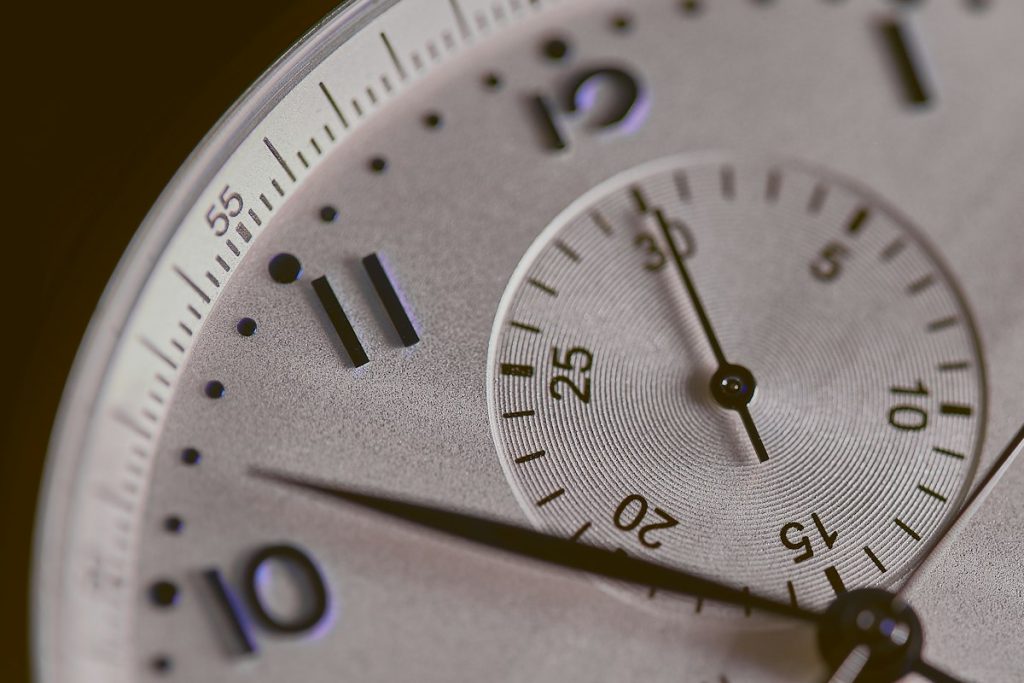

Summary: Aftercare chairs work better when donors can see a shared live clock instead of asking staff “how much longer?” every minute. Post the minimum sit time, keep the display calm and silent, and let volunteers focus on juice and observation—not timekeeping debates.
The restless minutes after the needle
Most donation centers ask donors to sit for a fixed window—often ten to fifteen minutes—while staff watch for pale skin and dizziness. Phones become scrolling traps; some donors stand early because their pocket watch “feels done.” A shared wall clock reduces negotiation and keeps the bay predictable during school blood drives.
Load a fullscreen live digital clock on a tablet facing the recovery row. Silence notifications. This is not a countdown timer shouting urgency; it is a neutral timepiece everyone agrees on.
How staff should brief the sit
At chair arrival, state the rule in one sentence: “Please stay seated until at least 3:42 on the wall clock, and longer if you feel off.” Point at the display while speaking. Ambiguous “about ten minutes” produces early stands when the room gets busy.
- Minimum sit tied to a wall clock minute
- Feel-based extension always allowed
- Staff override if someone looks unwell
Write the release minute on a sticky on the armrest for donors who zone out during juice.
Designing a calm visual
Huge digits, low color drama, no second hand ticking if it raises heart focus. Avoid red themes that read as alarm. Place the tablet away from donation beds so waiting friends do not crowd the recovery line to “help watch the clock.”
Brightness should match the room—too bright feels like an airport gate; too dim invites squinting and standing to see better, which defeats the purpose.
School drives and peer pressure
Teen donors egged on by friends will joke about bolting. The clock becomes the neutral bad guy: “The wall says 2:18.” Staff can laugh with them without becoming the enforcer personality. Pair the rule with snacks in reach so hunger does not drive early exits.
Teachers chaperoning should model sitting the full window themselves if they donated. Hypocrisy is visible in a small gym.
Accessibility and language
Some donors struggle with digital formats. Add a small paper card explaining that 15:10 means ten minutes after three in the afternoon if your site uses 24-hour notation. Multilingual sites can tape translations under the tablet rather than animating the clock page.
Donors with vision issues get a verbal check from volunteers at the midpoint—“two minutes past half”—so they are not excluded by a blurry screen.
When someone feels unwell before the minute
The clock never outranks symptoms. If a donor reports tingling or looks gray, start protocol immediately regardless of the posted release time. Train volunteers to say “we’re extending your sit” while adjusting the sticky minute, so the donor does not feel punished.
Document incidents with wall-clock times for center logs; consistent timestamps help quality reviews more than vague “after lunch” notes.
Power, privacy, and foot traffic. Plug the tablet in. Auto-lock disabled. Avoid showing personal calendars if someone unlocks the wrong profile—create a kiosk user that only opens the clock page. Point cameras away; recovery is not content.
During surge arrivals, a second clock at a overflow sit area prevents two time cultures in one drive.
Juice table flow and chair turnover. Recovery bays bottleneck when donors linger scrolling after their minute. The clock gives staff a polite reference: “You’re past 11:08—how do you feel standing?” Pair the question with a steady hand nearby. Turnover matters during school drives with buses waiting, but never at the cost of a faint in the hallway.
Place trash and snack refills where standing donors naturally exit, so the path away from chairs is obvious.
Mobile blood buses and uneven lighting. Bus interiors glare and dim by turns. Mount the tablet with a matte screen protector and a gooseneck that does not block staff movement. Test readability from the farthest chair before the first donor sits. If sunlight washes digits, relocate rather than telling donors to squint.
Generator blips reboot devices; keep a paper backup list of release minutes keyed to donor first names only.
Volunteer coaching scripts. Teach new volunteers one paragraph: point to clock, state release minute, invite questions about symptoms, smile. Scripts prevent inventive rules like “sit until I say so” that feel arbitrary. Consistency builds trust faster than strictness.
First-time donors and explanatory signage. Tape a one-sentence sign under the tablet: “Stay seated until your sticky note time on this clock—longer if you feel dizzy.” First-time donors should not have to decode unspoken culture. Staff can still personalize, but the sign carries the baseline when the bay is loud.
Update the sign if your center’s minimum sit changes seasonally; outdated numbers train people to ignore official cues.
Shift changes mid-drive. When volunteer shifts swap, the new team should inherit the same clock URL and sticky method. Reinvention mid-drive creates two rules in one bay. A thirty-second handoff—“clock faces the chairs, stickies on arms, symptoms override minutes”—keeps donors safe across staffing changes.
Leaving the chair without rushing the staff protocol
Donors should glance at the live clock, confirm their sticky minute, stand slowly, and wait for a nod if local rules require it. Thank the volunteer, recycle the cup, and exit without bargaining for two minutes back. Shared timekeeping is a small kindness that keeps the bay safe when the schedule is loud and the juice table is crowded.